Understanding AI Image Generation in Art
AI image generation has emerged as a revolutionary tool in the art world, transforming the creative landscape and sparking new discussions about artistry, authenticity, and the future of creativity. As artists and technologists collaborate, the synergy between artificial intelligence and traditional artistic practices has resulted in an innovative approach to creating visual art. In this article, we delve into the intricacies of AI image generators, their operational mechanisms, and the profound impact they have on contemporary art.
When exploring options, ai image generator from image provides comprehensive insights into how images can be generated and transformed using artificial intelligence technologies, pushing the boundaries of traditional art forms.
What is an AI Image Generator?
An AI image generator is a sophisticated software tool designed to create or manipulate images through algorithms and machine learning. These tools can take various inputs, such as text prompts, existing images, or a combination of both, and generate new visual content that can be strikingly original or stylistically similar to the original input. AI generators employ techniques such as Generative Adversarial Networks (GANs), neural networks, and deep learning to produce visually compelling outcomes, allowing users to explore limitless creative possibilities.
How AI Image Generators Work
At the core of AI image generators lies advanced machine learning models, particularly GANs, where two neural networks work in tandem: a generator that creates images and a discriminator that evaluates them. This iterative process continues until the generator produces images that are indistinguishable from real artworks. The training process requires vast amounts of data, enabling the AI to learn patterns, styles, and visual elements from established artists and movements, which it then synthesizes to create new content.
Benefits of Using AI in Art
The integration of AI in art offers numerous advantages that can empower artists in their practice:
- Enhanced Creativity: AI provides artists with new tools for expression, allowing them to experiment with styles and techniques they may not have considered.
- Time Efficiency: AI can streamline the creation process, drastically reducing the time needed to produce artwork, thereby allowing artists to focus on ideation and refinement.
- Accessibility: These tools democratize access to high-quality art creation, enabling individuals without formal training to produce visually appealing works.
- Collaboration: AI fosters collaboration between technology and traditional craftsmanship, inspiring a fusion of old and new artistic methods.
Transforming Traditional Art Techniques
Integrating AI with Classic Methods
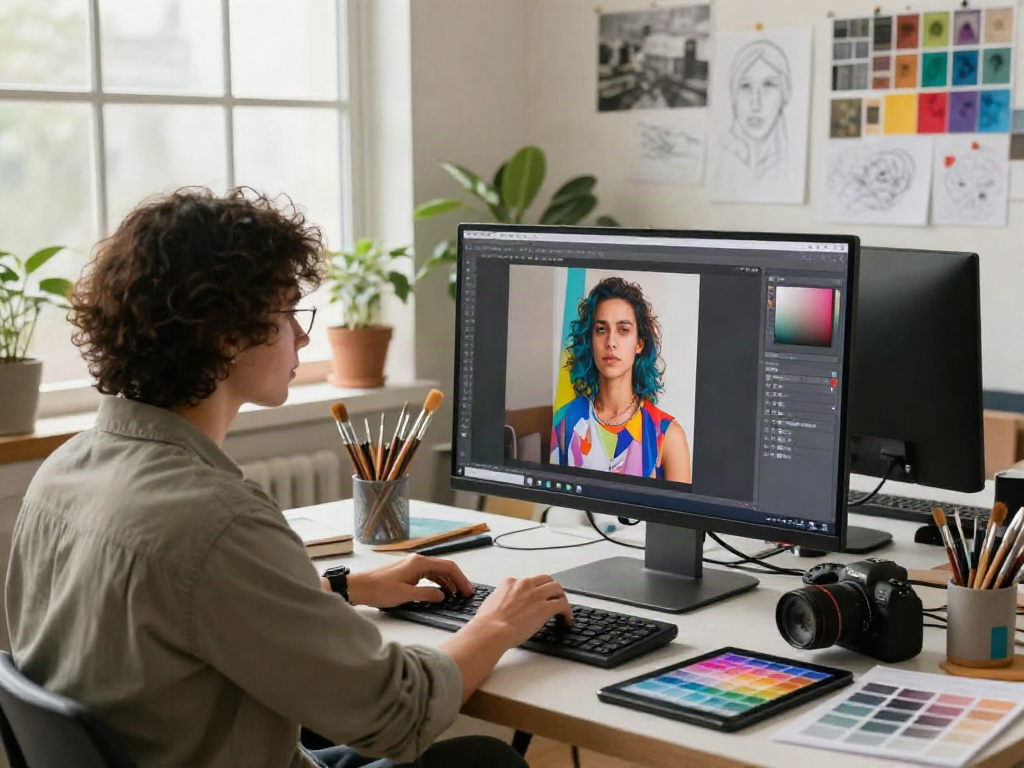
The marriage of AI with classic art techniques opens new avenues for creativity. Artists can utilize AI tools to enhance traditional practices, like painting or sculpting, by generating concept art or providing inspiration through complex image outputs. For instance, a painter can feed their sketches into an AI generator to visualize color schemes or compositional variations, enriching the creative process.
Redefining Artistic Boundaries
AI challenges conventional notions of authorship and artistry. By introducing algorithms as collaborators, the definition of what constitutes art is evolving. When a machine can produce visually stunning pieces, it raises questions about originality and the role of human creativity. Artists are now exploring these philosophical areas, using AI not just as a tool but as a co-creator, pushing the boundaries of artistry.
Real-World Examples of AI-Enhanced Art
Several artists and institutions have successfully implemented AI in their work:
- Refik Anadol: Known for his stunning data-driven artworks, Anadol uses AI to create immersive installations that reshape our understanding of space and time.
- Mario Klingemann: An artist noted for his explorations of machine learning, Klingemann utilizes AI to create captivating visual experiences that blend human creativity and computational processes.
- Obvious: This collective gained fame for their AI-generated portrait "Edmond de Belamy," which was sold at auction for a staggering $432,500, exemplifying the market's fascination with AI-generated art.
Enhancing Creativity and Efficiency
AI Tools that Facilitate Artistic Workflow
Various AI tools are emerging that simplify and enhance the artistic workflow:
- DALL-E: An AI model developed by OpenAI that can generate images from textual descriptions, providing artists with a way to visualize concepts instantly.
- DeepArt: This tool transforms photos into artwork using the style of renowned artists, allowing creators to blend their visuals with iconic artistry.
- RunwayML: A platform that grants artists access to powerful machine learning models for image and video manipulation, enabling innovative multimedia projects.
How AI Sparks New Creative Ideas
AI serves as a wellspring of inspiration for artists. By generating unexpected combinations of styles, colors, and forms, AI can prompt artists to explore creative pathways that might remain unexplored. The randomness and adaptability of AI outputs often lead to unique visual narratives, inspiring artists to rethink their approach and adopt new strategies.
Time Management Advantages for Artists
In the fast-paced art world, managing time effectively is crucial. AI image generators can significantly reduce the manual labor involved in art creation. Artists can produce preliminary sketches or drafts within moments, allowing them to dedicate more time to concept development and final touches. This efficiency allows greater productivity without compromising quality.
Challenges and Considerations
Ethical Implications of AI in Art
The rise of AI-generated art has prompted essential discussions surrounding ethics. Questions arise about ownership of AI-created works, the role of artists, and the potential for AI to appropriate styles without proper attribution. As the technology evolves, it's imperative to establish guidelines that uphold artistic integrity while embracing innovation.
Common Misconceptions About AI Artwork
Despite the excitement around AI in art, several misconceptions persist:
- AI Can Replace Artists: While AI can create visually appealing works, it lacks the emotional depth and contextual understanding that human artists bring to their creations.
- All AI Art is the Same: AI outputs can be vastly different depending on the inputs and algorithms, offering a wide spectrum of unique results.
- AI Artwork Lacks Authenticity: The intent and selection by human artists in utilizing AI contribute to the authenticity of the final piece.
Addressing Technological Limitations
Despite their potential, AI image generators have limitations, such as the inability to fully grasp nuanced human experiences and cultural contexts. Artists need to be aware of these limitations and leverage AI as a complementary tool rather than a replacement. The synergy of human intuition and AI's capabilities can yield the most innovative outcomes.
Future Trends in AI Art Generation
Emerging Technologies Shaping the Future
The landscape of AI-generated art is continually evolving with emerging technologies. Innovations in machine learning, augmented reality (AR), and cloud computing are making AI art generation more accessible and sophisticated. As these technologies develop, artists will have even more tools at their disposal to create visually stunning and conceptually rich works.
Predictions for Artistic Innovation by 2026
Looking towards 2026, we predict several trends in the realm of AI art generation:
- Integration with Augmented Reality: AI-generated artworks may increasingly be experienced in AR, creating immersive exhibitions that blend physical and digital realms.
- Personalized Art Creation: AI will enable artists to craft personalized artworks based on individual preferences, fostering deeper connections with their audience.
- Expanded Collaborative Opportunities: The fusion of AI and human creativity will result in collaborative projects that redefine traditional roles within the art community.
How to Stay Ahead in the Evolving Art Landscape
For artists seeking to remain relevant in the evolving art landscape, continuous learning and experimentation with AI tools is vital. Participating in workshops, online courses, and forums can enhance understanding and skill sets. Engaging with other artists who are exploring AI can foster collaboration and inspire innovative approaches to art-making.
What are the ethical concerns around AI-generated art?
Ethical concerns around AI-generated art encompass issues of ownership, authorship, and the potential for misuse of artistic styles. As AI continues to develop, defining clear ethical standards will be essential in preserving the integrity of the art community.
Can AI image generators replace traditional artists?
While AI image generators can produce impressive works, they are not a substitute for the creativity and emotional depth that human artists bring. Instead, they serve as tools that enhance human creativity and broaden artistic possibilities.
What tools should I use to start creating AI art?
To begin creating AI art, artists can explore various tools such as DALL-E, DeepArt, and RunwayML, which offer user-friendly interfaces and functionalities that cater to both amateurs and professionals.
How do AI image generators affect the art market?
AI image generators are reshaping the art market by introducing new forms of creativity and expanding collectors' horizons. The value of AI-generated art is still being defined, leading to dynamic shifts in pricing and market demand.
What skills are important for artists using AI?
Artists using AI should cultivate a blend of traditional artistic skills and technological proficiency. Understanding AI tools, algorithms, and their implications on art will be crucial in harnessing their full potential while maintaining artistic integrity.